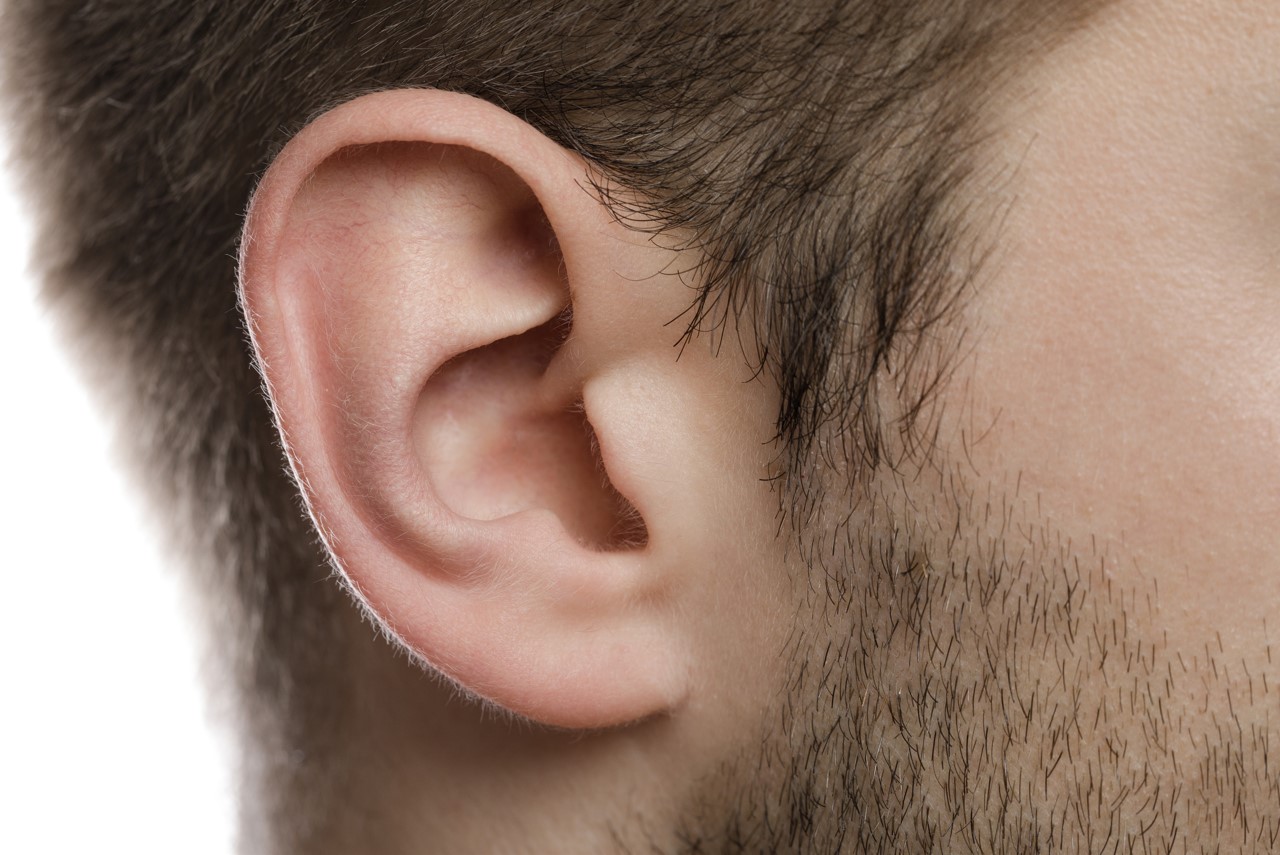
Otoplasty is a cosmetic surgery that can be performed on both adults and children, typically starting from around age 5 when the ears have reached their full size. This procedure can correct a variety of issues, such as:
- Prominent ears that stick out too far
- Asymmetry between the ears
- Congenital deformities
- Damage from injuries or trauma
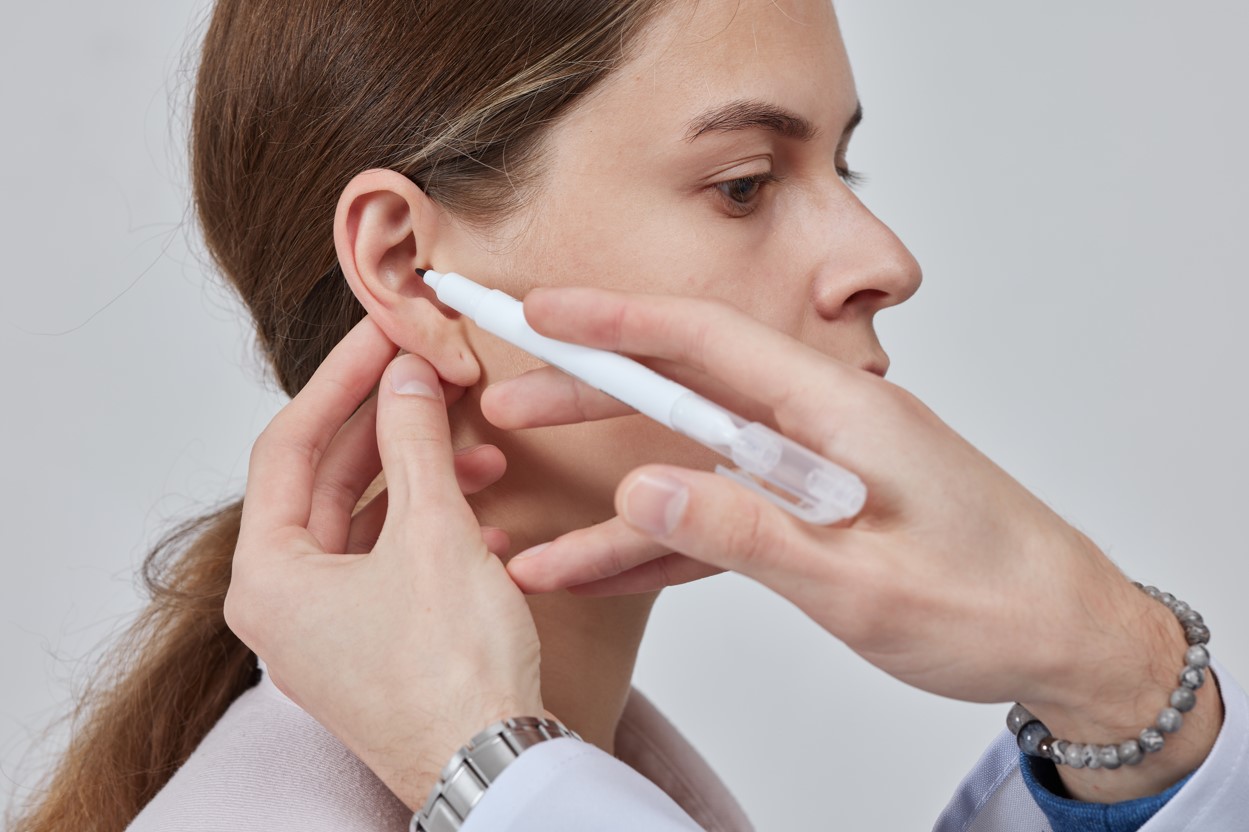
Initial Consultation: During the initial consultation, Dr. Pareja will evaluate the patient’s ear structure, medical history, and expectations. The procedure will be discussed in detail, including potential outcomes and any concerns the patient may have. This evaluation may also involve photographs and models to plan the treatment accurately.
Surgical Procedure: Otoplasty is usually performed under local anesthesia with sedation in adults and under general anesthesia in children. The procedure typically lasts between 1 to 2 hours, depending on the complexity of the case. The basic steps of the procedure include:
- Incisions: Incisions are typically made behind the ears, in the natural fold, to help conceal scars. In some cases, small additional incisions may be made on the front of the ear.
- Cartilage Shaping: Ear cartilage is reshaped to create a more natural contour closer to the head. This may involve removing excess cartilage or suturing folds to better define the ear structure.
- Repositioning and Sutures: Once the cartilage has been shaped, the ears are repositioned closer to the head and secured with internal sutures. External stitches close the incisions.
Recovery: After surgery, the ears are covered with bandages to protect them and maintain their new position. Patients may experience some pain, swelling, and bruising, which are managed with medications and proper postoperative care. It’s crucial to follow Dr. Pareja’s postoperative instructions, which include:
- Keeping the head elevated to reduce swelling
- Avoiding sleeping on the side to avoid pressure on the ears
- Using a headband around the ears as directed
- Avoiding strenuous activities that could damage the ears
Stitches are typically removed about a week after surgery, and bandages are replaced with a lighter band. Most patients can return to normal activities within a week, although contact sports should be avoided for at least a month.
Results: The results of otoplasty are immediately visible after the bandages are removed and continue to improve as swelling subsides. Dr. Pareja ensures that the results are natural and harmonious with the patient’s face.
Risks and Complications: Like any surgical procedure, otoplasty carries risks, although they are uncommon. These may include infection, bleeding, abnormal scarring, or residual asymmetry. Dr. Pareja takes all necessary precautions to minimize these risks and ensure a safe and successful recovery.


 Reach us on WhatsApp